
After seeing what happened during the LA fires, I wanted to put together some disaster kit information for you. Watching people evacuate at a moment’s notice, unsure of what to grab, made me realize how important it is to be prepared before an emergency happens. The truth is, disasters don’t wait for us to be ready—they just happen. And when they do, having the right supplies on hand can make a huge difference.
Why a Disaster Kit is Essential
- Emergencies move fast – Wildfires, earthquakes, and other disasters can escalate within minutes, leaving little to no time to gather essential supplies. Having a prepared kit ensures you are ready to act immediately.
- Access to resources may be limited – In the aftermath of a disaster, stores may be closed, roads blocked, and essential services disrupted. A well-stocked kit allows you to remain self-sufficient until help becomes available.
- Preparedness reduces stress – In high-pressure situations, decision-making becomes more difficult. Having a disaster kit in place eliminates the need to think on the spot, allowing you to focus on safety and evacuation if necessary.
What Should Go in Your Kit?
Basic Disaster Supplies Kit
To assemble your kit store items in airtight plastic bags and put your entire disaster supplies kit in one or two easy-to-carry containers such as plastic bins or a duffel bag.
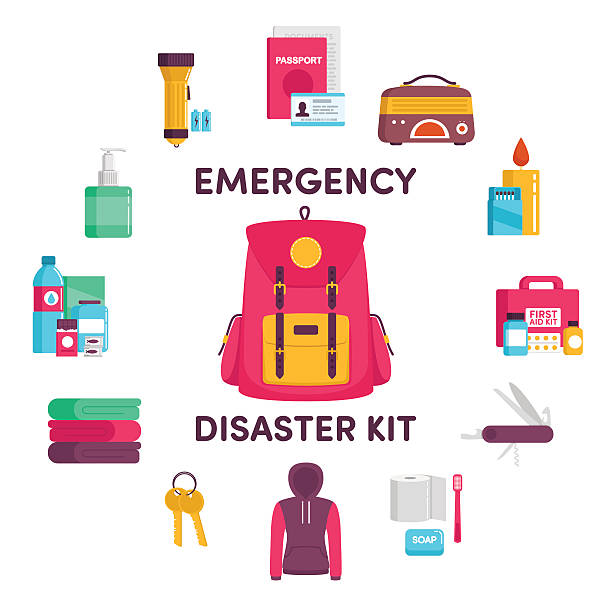
A basic emergency kit is comprised of the following:
- Water (one gallon per person per day for at least three days, for drinking and sanitation)
- Food (at least a three-day supply of non-perishable food)
- Battery-powered or hand crank radio and a NOAA Weather Radio with tone alert
- Flashlight
- First aid kit
- Extra batteries
- Whistle (to signal for help)
- Dust mask (to help filter contaminated air)
- Plastic sheeting and duct tape (to shelter in place)
- Moist towelettes, garbage bags and plastic ties (for personal sanitation)
- Manual can opener (for food)
- Local maps
- Cell phone with chargers and a backup battery
- Download the Recommended Supplies List (PDF)
Additional Emergency Supplies
- Consider adding the following items to your emergency supply kit based on your individual needs:
- Cloth face coverings (for everyone ages 2 and above), soap, hand sanitizer, disinfecting wipes to disinfect surfaces
- Prescription medications
- Non-prescription medications such as pain relievers, anti-diarrhea medication, antacids or laxatives
- Prescription eyeglasses and contact lens solution
- Infant formula, bottles, diapers, wipes and diaper rash cream
- Pet food and extra water for your pet
- Cash or traveler's checks
- Important family documents such as copies of insurance policies, identification and bank account records saved electronically or in a waterproof, portable container
- Sleeping bag or warm blanket for each person
- Complete change of clothing appropriate for your climate and sturdy shoes
- Fire extinguisher
- Matches in a waterproof container
- Feminine supplies and personal hygiene items
- Mess kits, paper cups, plates, paper towels and plastic utensils
- Paper and pencil
- Books, games, puzzles or other activities for children
Final Thoughts
I know prepping for disasters isn’t the most exciting thing, but trust me—it’s worth it. If the LA fires taught me anything, it’s that things can change in an instant. The best thing you can do for yourself and your family is to be ready before you need to be.
So, if you haven’t put together a disaster kit yet, consider this your friendly nudge to do it now. Future You will be so glad you did.

Why You Need a Disaster Kit – Lessons from the LA Fires